Discover the Tin Whistle
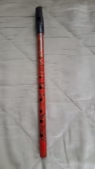
The Tin Whistle is a delightful early childhood music resource that introduces children aged 0–6 to the bright, lilting sounds of Irish folk music. Despite its small size, this six-holed woodwind instrument produces a clear, expressive sound that carries beautifully across a classroom. Children are always surprised by how much sound comes from something so simple!
A Brief History
Robert Clarke invented the Tin Whistle in 1843, adapting his wooden whistle design using tin plate. He originally called it the Clarke London Flageolet. It quickly gained popularity due to its low cost and ease of play — and has remained a beloved instrument ever since.
Many Names, One Instrument
The Tin Whistle goes by many names around the world — Penny Whistle, Flageolet, Irish Whistle, Belfast Hornpipe and feadóg stáin in Irish. Each name reflects a different cultural connection, making it a wonderful starting point for exploring language and cultural diversity with young children.
How Do You Play It?
Players blow gently into the mouthpiece at the top while covering and uncovering the six holes with their fingers to change the pitch. The Tin Whistle is one of the most beginner-friendly instruments in the world — its simple construction makes it easy to get a sound from right away.
A Truly Versatile Instrument
The Tin Whistle features in Irish traditional music, folk music and world music traditions across many cultures. Its bright, piercing tone cuts through any ensemble and is instantly recognisable to children who have heard Irish music before.
The Tin Whistle in A Swag Full of Instruments
The Tin Whistle features in Through the Streets of Cairo, The Tank Stream Jig and The Piggyback Song — three very different tracks that showcase just how versatile this little instrument can be!
