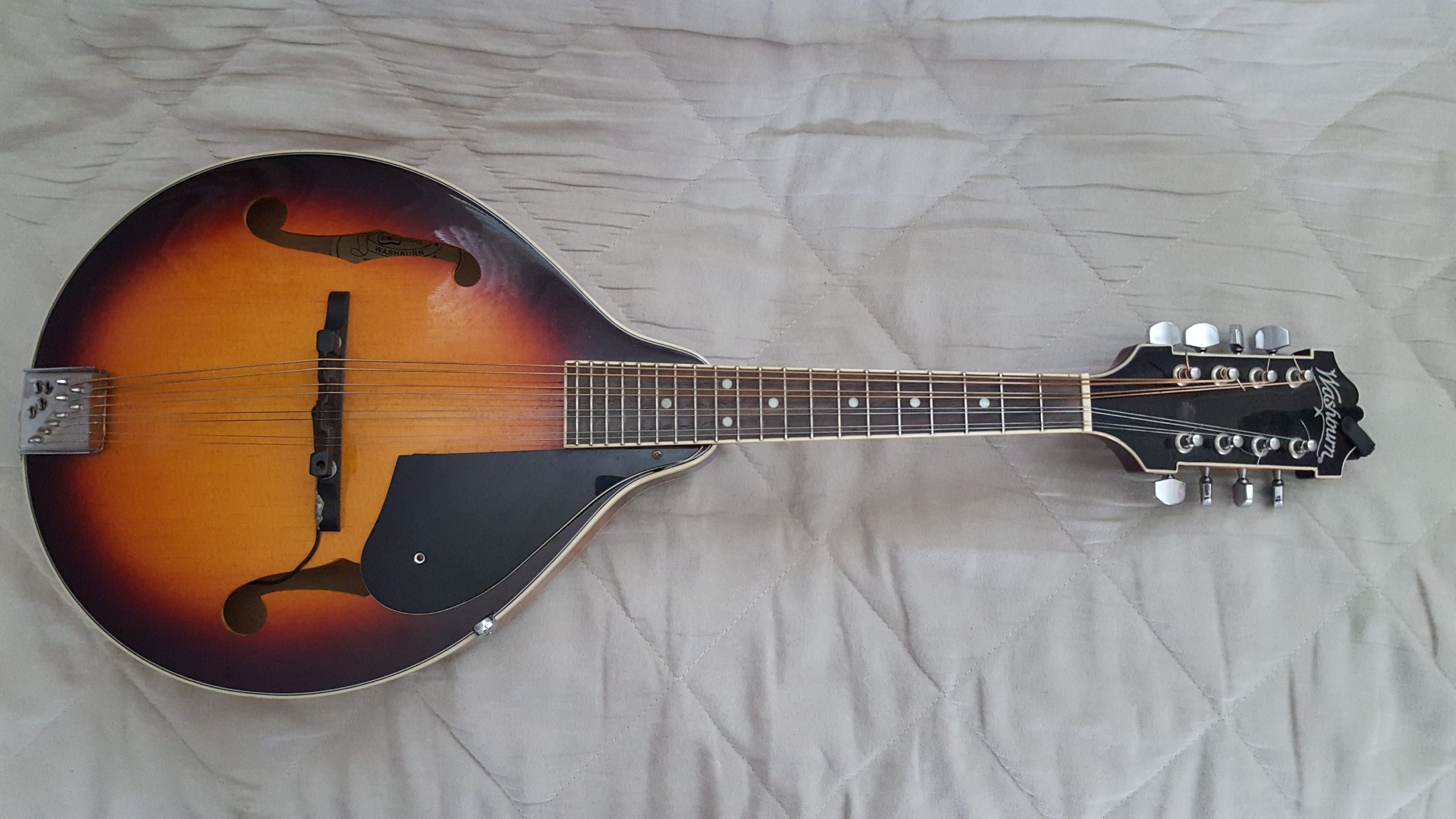
Discover the Mandolin
The Mandolin is a captivating early childhood music resource that introduces children aged 0–6 to a bright and distinctive stringed instrument loved across many cultures and musical traditions. Originally from Italy, the Mandolin has travelled the world and found a home in bluegrass, folk, Celtic, classical and world music — making it a wonderful instrument for multicultural music education in early childhood settings.
What Does a Mandolin Look Like?
The Mandolin is a small, pear-shaped stringed instrument with eight strings arranged in four pairs. Its compact size makes it visually appealing to young children who are always curious about how something so small can produce such a big, bright sound!
How Do You Play It?
Players pluck the strings with a plectrum held in the right hand. The fingers of the left hand press down on the strings to form chords and notes. One of the Mandolin’s most distinctive techniques is tremolo — a rapid, repetitive plucking that produces a shimmering, sustained effect. Children find this technique fascinating to watch and hear!
A Rich Musical History
The Mandolin originated in Italy in the 18th century, likely developed from earlier lute-like instruments. During the 19th century it gained popularity across Europe in folk music traditions. In the 20th century it became a cornerstone of American bluegrass music, largely through the influence of Bill Monroe and his Blue Grass Boys. Today the Mandolin appears in folk, Celtic, country, classical and world music traditions around the globe.
The Mandolin in A Swag Full of Instruments
The Mandolin features in The Animal Dance and The Scent of the Gum — two very different tracks that showcase the Mandolin’s versatility. From lively movement songs to gentle, calming instrumentals, the Mandolin is one of the most expressive instruments in the program!
To hear the Mandolin Click here
